
Deposit system – how to settle VAT on the return of single-use bottles?
October 22, 2025
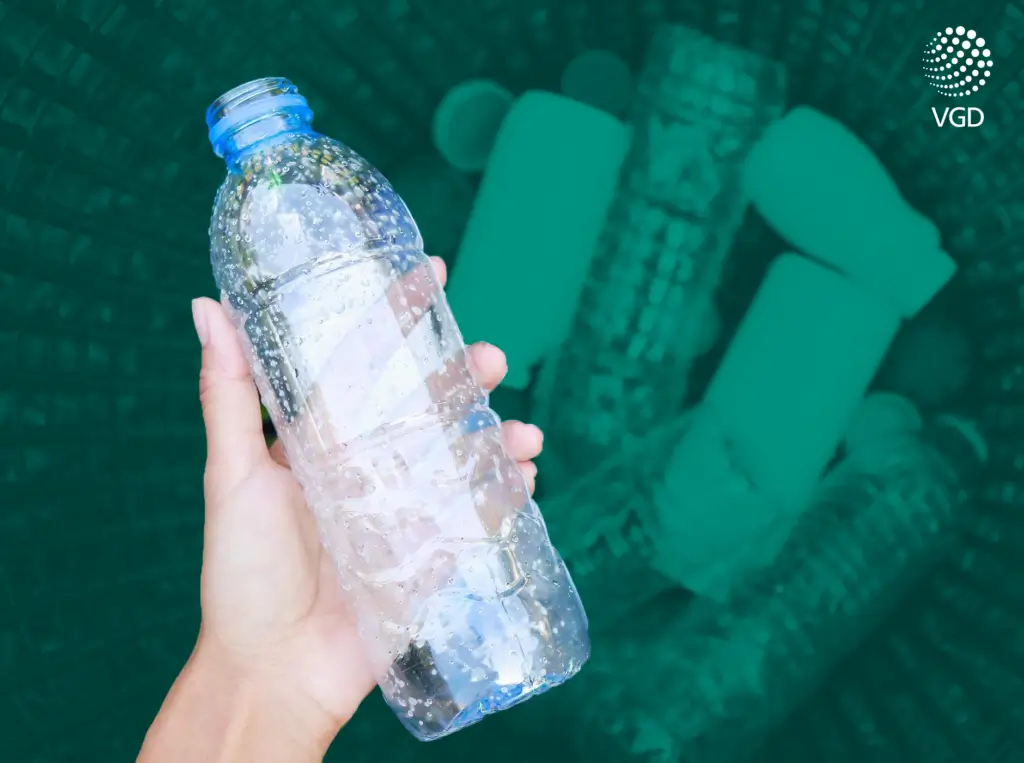
Starting October 1, 2025, Poland implemented a new deposit system for selected beverage packaging, including PET bottles up to 3 liters, cans up to 1 liter, and reusable glass bottles up to 1.5 liters. The new regulations aim to reduce waste and increase recycling rates, while also introducing significant changes in VAT settlement procedures.
Deposit vs. VAT – general rule
According to the Ministry of Finance, deposits collected during the sale of beverages in packaging covered by the deposit system are not subject to VAT—neither at the wholesale nor retail stage. The deposit is considered a refundable payment and therefore should be tax-neutral.
VAT is only applied when the packaging is not returned. In such cases, the collected but unreturned deposit increases the VAT taxable base for the entity introducing the beverages to the market (e.g., producer or importer). In practice, only retained deposits are subject to taxation.
Responsible entity – taxpayer and payer
The deposit system introduces a separation of roles:
- The VAT taxpayer for unreturned deposits is the entity introducing the products (e.g., producer, importer).
- The VAT payer is the representing entity (deposit system operator), which calculates and pays the due tax to the tax office.
This structure concentrates tax obligations on entities that actually hold the deposit funds, simplifying the system’s accounting.
Timing of tax liability
VAT on unreturned deposits is settled once a year—in the declaration for the first accounting period of the following year:
- Monthly taxpayers: settlement in the January declaration of the following year (by February 25).
- Quarterly taxpayers: settlement in the Q1 declaration of the following year (by April 25).
Exceptionally, the first settlement for 2025 must be submitted by March 25, 2026 (February 2026 declaration).
VAT rate on unreturned deposits
The Ministry of Finance confirmed that the VAT rate on unreturned deposits depends on the rate applicable to the sold beverage.
This means:
- for beverages taxed at 5% (e.g., juices), the unreturned deposit is also taxed at 5%.
- for beverages taxed at 23%, the deposit is taxed at 23%.
If it’s not possible to assign packaging to specific VAT rates, a proportional rate based on the sales structure of the introducing entity may be used.
Deposit in records and documentation
Deposits are not documented with VAT invoices—their collection and return should be recorded using accounting notes or cash reports. A dedicated entry (P_360) will appear in the JPK_VAT file for settling unreturned deposits.
Both the introducing entity and the representing entity must maintain electronic records including:
- the number and types of packaging introduced to the market,
- amounts of collected and returned deposits,
- data on returned packaging waste.
Records must be stored for at least 5 years and allow verification of the VAT base calculation.
Summary – what entrepreneurs should remember
- Deposits for packaging covered by the deposit system are tax-neutral until the packaging is not returned.
- VAT on unreturned deposits is settled only by the product introducers—once a year.
- The VAT rate corresponds to the rate applicable to the beverage.
- Deposit collection and return are documented via notes, and data must be included in electronic records.


